

PSA After Prostatectomy: What Your Number Means and When It Matters
This page explains how PSA is interpreted after a radical prostatectomy, what level prompts closer attention, and why a low but detectable result is rarely a reason to act straight away. It is general information rather than personal medical advice, and your own results should always be discussed with your specialist.

MRI of the Prostate: What It Shows and What Happens Next
If your GP has referred you for a prostate MRI, or your urologist has recommended one after an elevated PSA, you are probably wondering what the scan actually shows — and more importantly, what it means if something is found.
This article explains what a prostate MRI involves, how results are reported, and how the findings guide the next steps. The goal is to make the process less opaque before you go in.

Blood in Urine: When Is It Cancer and What Happens Next?
Noticing blood in your urine is frightening. It is the kind of symptom that stops people mid-thought and sends them straight to their phone to search for answers, usually late at night when they are already worried.
This article explains what blood in the urine actually means, when it needs urgent attention, and what a proper assessment involves. The goal is to replace anxiety with information — so that whatever is causing it, you know what to do next.

Red Flags in Primary Care: When to Refer for Suspected Urological Cancer
The urological cancers most likely to present through general practice — prostate, kidney and bladder — are often detectable at a stage where treatment options are meaningful. The referrals that matter most are the ones where a GP recognises a red flag early and moves on it.
This guide focuses on the cancer-relevant triggers that warrant urological assessment, what to include, and when to move urgently.

Cancer Surveillance and Age: When Risk, Benefit and Priorities Shift
Age changes the context of cancer care. This article explains how surveillance and treatment decisions evolve as risk, health and priorities shift over time.

Living With Cancer on Active Surveillance: Practical and Emotional Support
Living with cancer on active surveillance can feel harder than expected. This article explores the practical and emotional realities, and how patients are supported over time.

Robotic Surgery for Kidney Cancer: What the Robot Changes — and What It Doesn’t
Robotic surgery is a tool in kidney cancer care — not the treatment itself. This article explains when robotic surgery helps, when it doesn’t, and how decisions are really made.

Life After Radical Cystectomy: What Patients and Families Should Expect
An honest overview of life after radical cystectomy, including recovery, urinary diversion, emotional adjustment and how patients and families adapt over time.

Active Surveillance in Urologic Cancer: When Doing Less Is the Right Decision
Active surveillance can be the right choice for selected urologic cancers. Learn when monitoring is appropriate, how risk is assessed, and what follow-up involves.

Recovery After Robotic Cancer Surgery: What Patients Underestimate
Recovery after robotic cancer surgery is rarely linear. This article explains what patients often underestimate about fatigue, function and emotional adjustment.
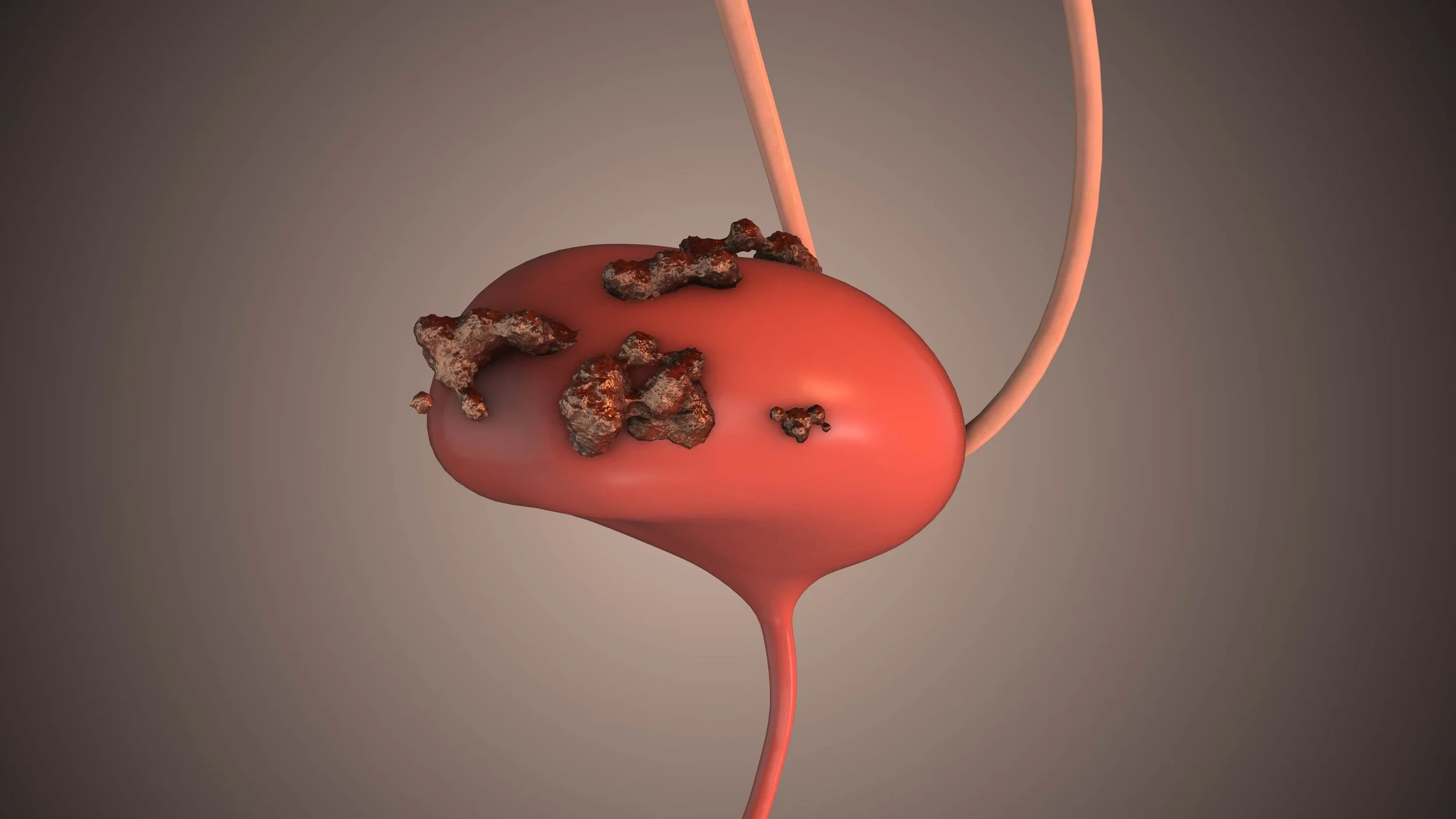
Bladder Cancer Surgery: An Overview of Modern Surgical Management
An overview of modern bladder cancer surgery, from transurethral procedures to cystectomy, explaining when each approach is used and why decisions are staged.

Positive Margins, Rising PSA, and Salvage Treatment: What Happens Next?
Positive margins and rising PSA after prostate cancer surgery are common and often misunderstood. This article explains what they mean and how salvage treatment decisions are made.

When Is Surgery Recommended for Kidney Cancer?
Not all kidney cancers require immediate surgery. This article explains when surgery is recommended, when surveillance is appropriate, and how decisions are individualised.
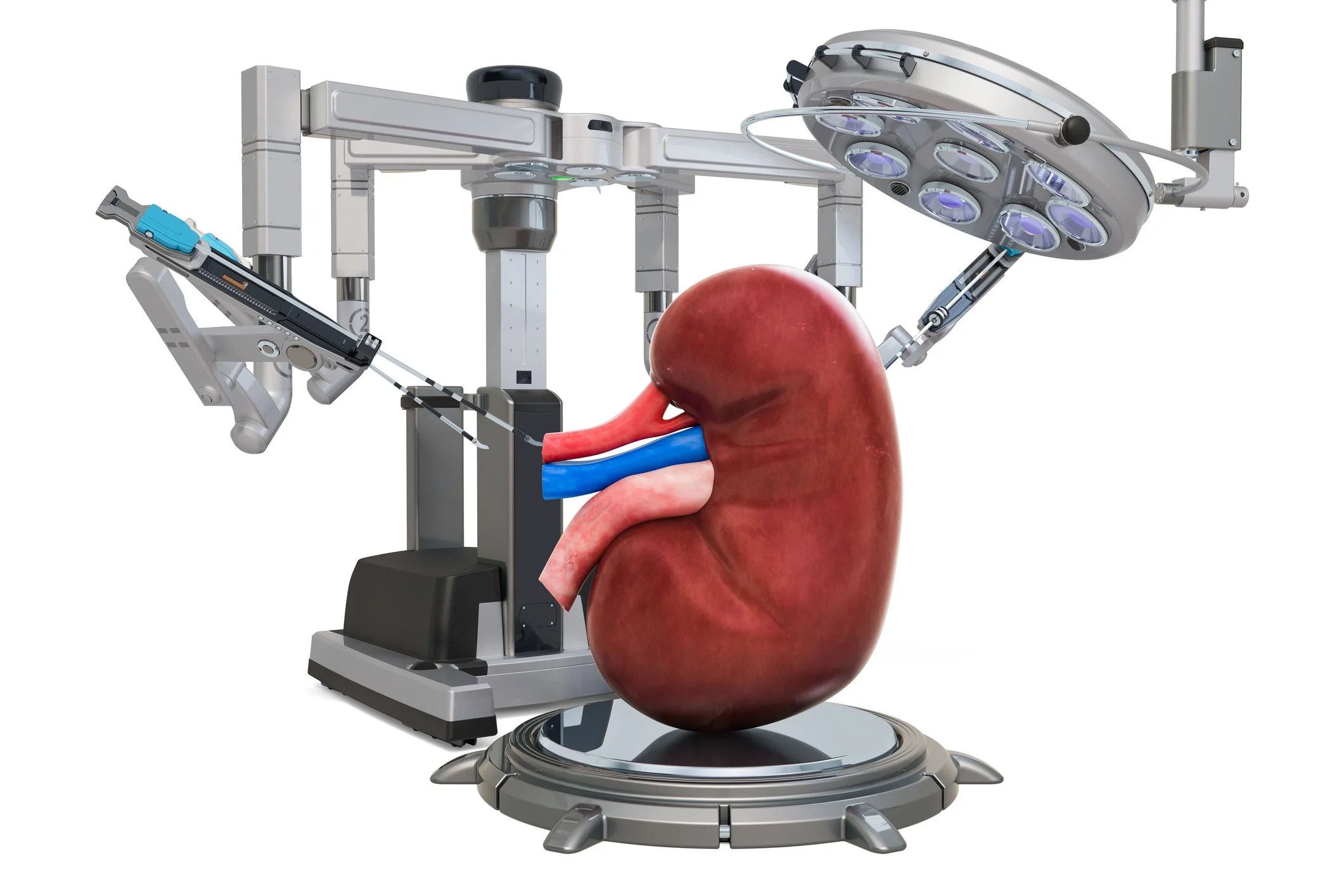
Partial vs Radical Nephrectomy: How Kidney Cancer Surgery Is Individualised
How surgeons decide between partial and radical nephrectomy in kidney cancer, balancing oncological safety with long-term kidney health.

Prostate Cancer Surgery vs Radiation: How Decisions Are Really Made
Surgery and radiation are both valid treatments for prostate cancer. Learn how decisions are made, what factors influence recommendations, and how care is individualised.