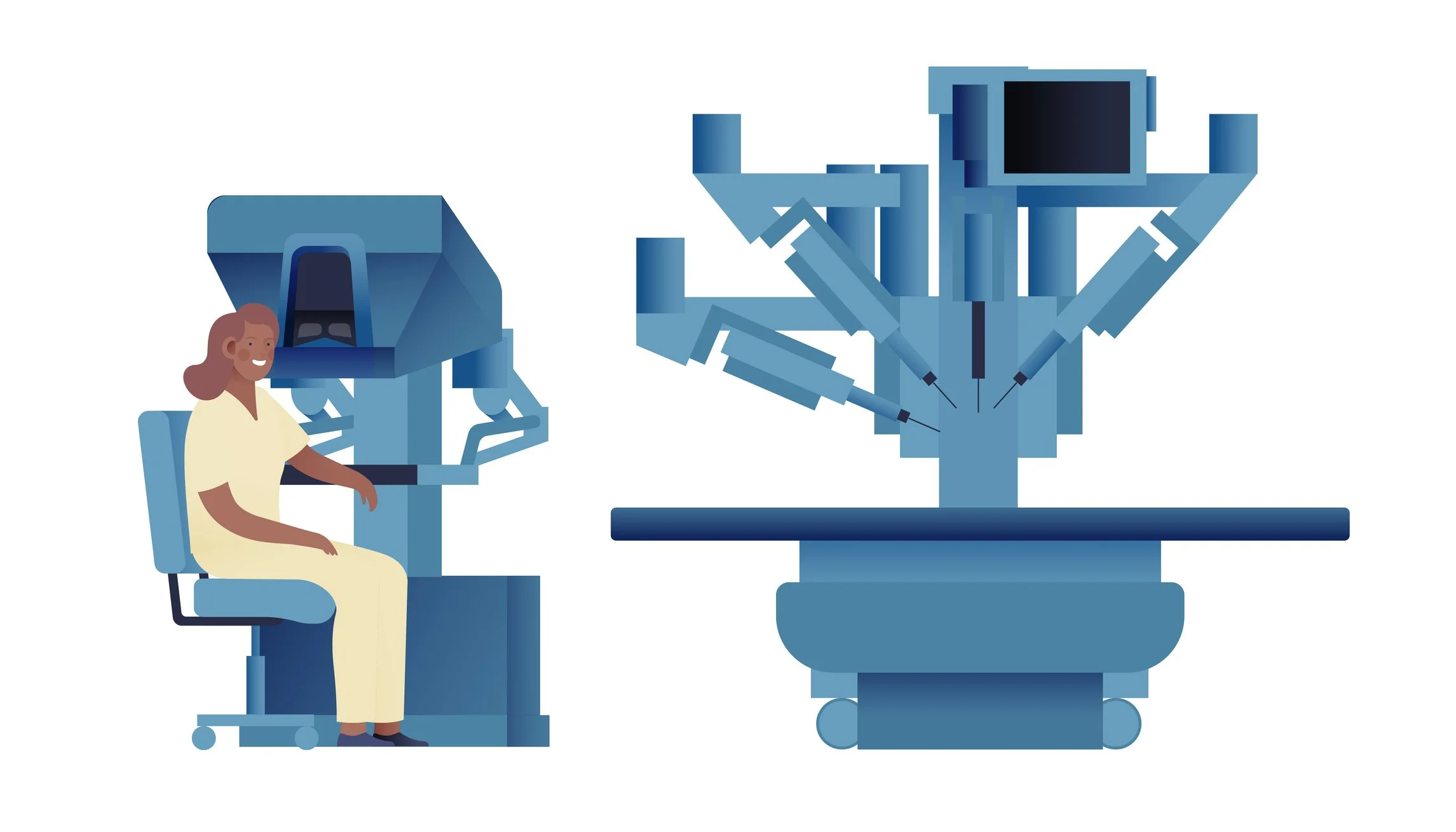
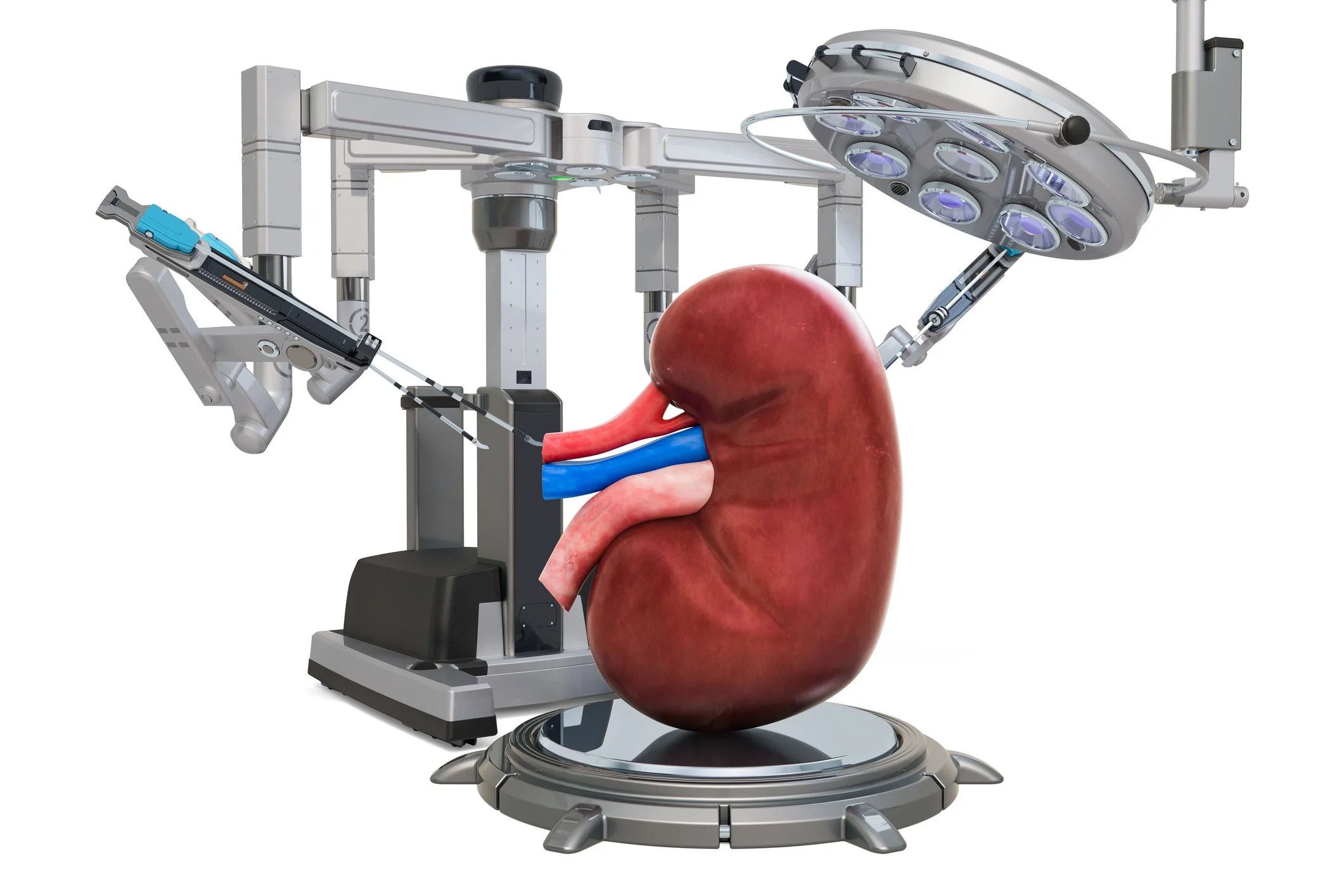
There is a lot written about robotic prostatectomy as though the robot itself is the story. It isn’t.
For patients and families, the real questions are more specific and more human:
Will the cancer be properly treated?
Will I be dry?
Will erections come back?
How long will this take to feel like “me” again?
And how do I weigh the trade-offs without regretting the decision?
For referring GPs, the question is often a version of the same thing: Who is going to make the right calls for this patient — not just execute a technically neat operation?
This piece focuses on what actually drives outcomes after prostate cancer surgery in Australia: oncological control (especially margins), nerve sparing judgement, surgeon experience that goes beyond numbers, and recovery realism.
Not hype. Not absolutes. Just the parts that matter.
Facing a prostate biopsy may seem overwhelming at first, but understanding the procedure, its purpose, and what to expect can make the experience easier to manage. This guide will provide a detailed explanation of the reasons for a biopsy, the different types available, what you can expect during and after the procedure, and what the results might indicate.
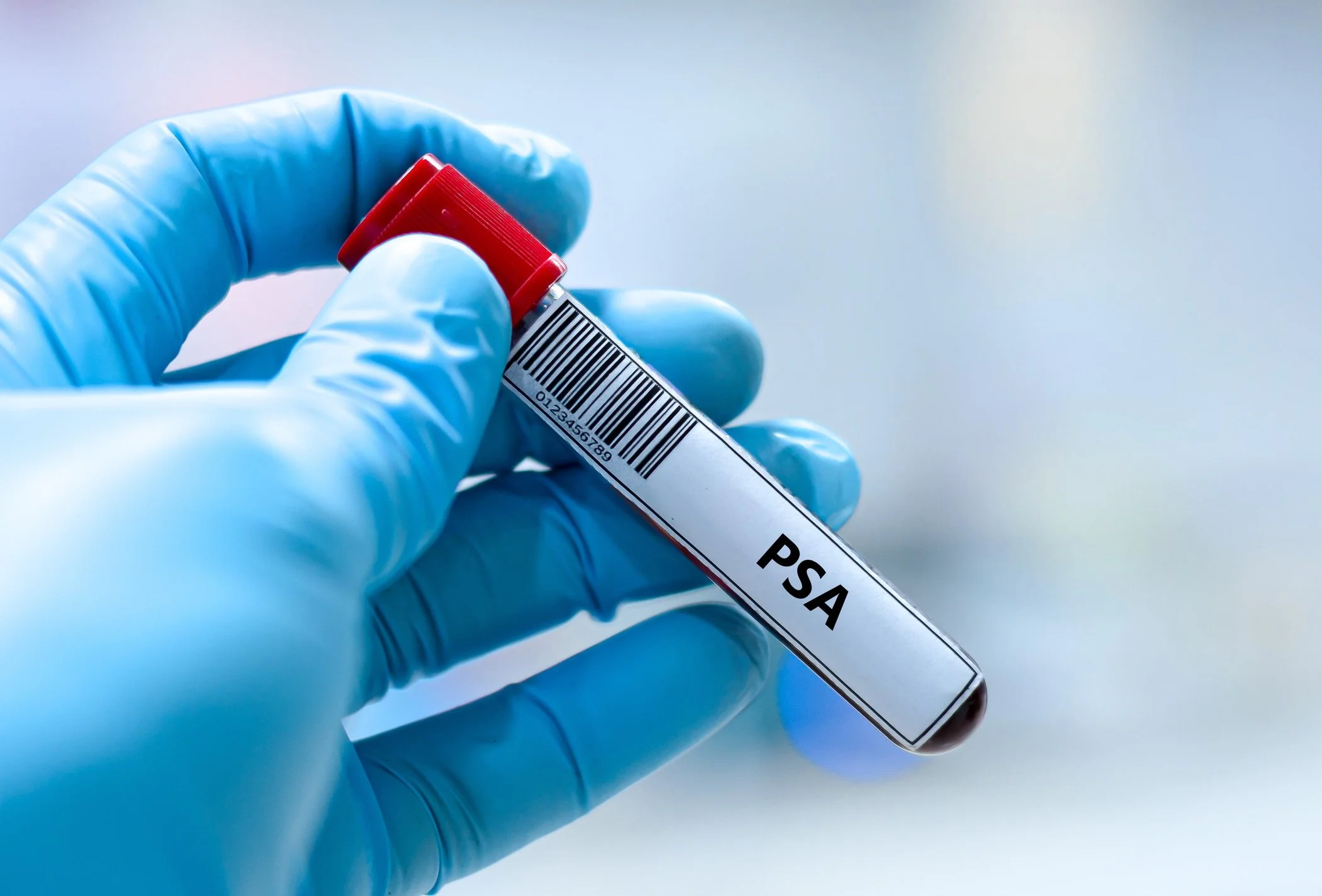
Prostate-Specific Antigen (PSA) testing is one of the most important tools we have for monitoring prostate health and detecting potential issues early. If you've been told you need a PSA test, or you're trying to understand your results, this comprehensive guide will help you navigate everything you need to know.
Prostate surgery is a necessary step in managing localised prostate cancer. However, it can significantly impact a man’s sexual health and overall quality of life. One of the primary concerns following this procedure is the effect on erectile function, typically due to the involvement of the nearby nerves that control erections. However, with advancements in surgical techniques, such as nerve-sparing approaches, and strategies for recovery, there is hope for patients to regain function and improve their overall health.
Prostate Cancer surgery is a life-altering event. While the surgery itself focuses on improving or maintaining your health, it can bring about unexpected changes when it comes to intimacy and pleasure. For many men and their partners, the prospect of maintaining a fulfilling sexual connection after surgery can feel uncertain.