Living With Urological Conditions
Living with a urological condition can affect daily life well beyond the clinic. This section provides practical, evidence-based guidance on symptom management, recovery, and day-to-day challenges such as catheter care or post-operative adjustment. The aim is to support patients with clear information that complements specialist care.
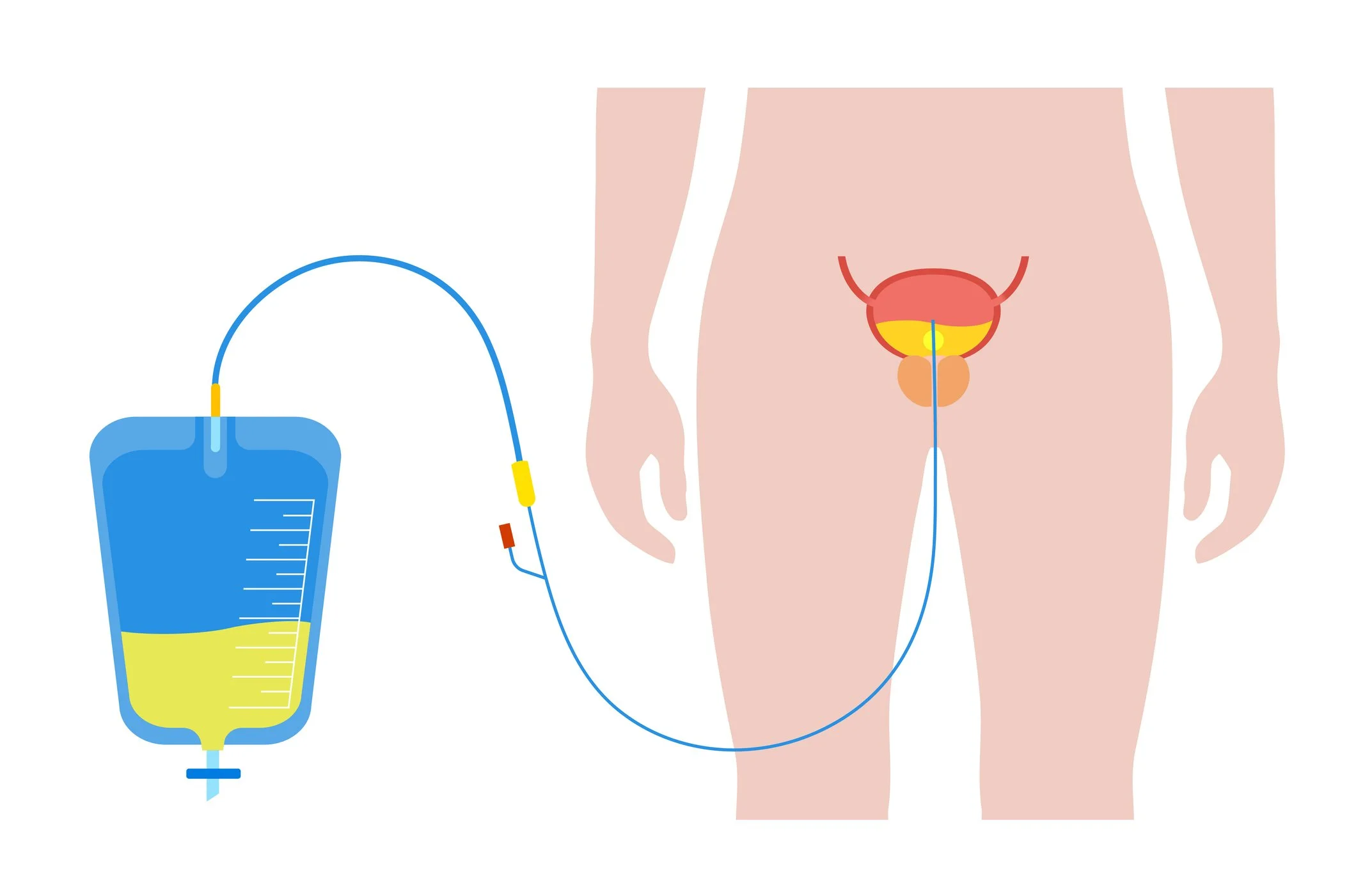
Practical guidance on living with a urinary catheter in Australia, including everyday care, warning signs, travel tips, and available support services.
Unsure what to expect when seeing a urologist? This article explains how urological care applies to gay and bisexual men and other people with prostates, and when specialist assessment helps.
Unsure what to expect at a urology appointment? This article explains why people are referred, what happens during a visit, and how care decisions are made.
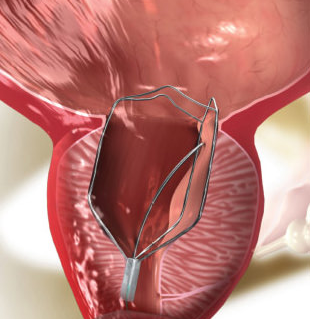
UroLift is a minimally invasive option for prostate enlargement. This guide explains how it works, recovery expectations, and when other treatments may be a better fit.
Kidney stones are a common but painful condition that can affect both all genders. However, women may experience unique symptoms, often complicating diagnosis and treatment. Understanding these symptoms, along with the causes, diagnostic methods, and treatment options, is crucial to managing the condition effectively.
Rezūm is a minimally invasive option for prostate enlargement (BPH). This guide explains what it does, who it suits, recovery expectations and when other treatments may be better.
BPH is a manageable condition with various treatment options available. By understanding symptoms and available treatments, Australian men can approach their health proactively and seek timely care.
If you've been experiencing sudden pain in your side or back, blood in your urine, or frequent urination, you might be concerned about the possibility of kidney stones. Kidney stones are hard deposits made of minerals and salts that form inside your kidneys, and they can affect anyone. They vary in size and shape and can lead to significant discomfort when passing through the urinary tract.
A vasectomy is a minor surgical procedure aimed at providing permanent contraception for men by cutting and sealing the tubes that carry sperm, known as the vas deferens. It is regarded as the most effective method of male sterilisation, and in Australia, the procedure is typically performed in a sterile clinical environment, ensuring the highest standards of safety and hygiene. It is very common too - with over 25,000 men having a vasectomy each year. Roughly 1 in 4 men over 40 have had a vasectomy.
Visiting a healthcare specialist can sometimes be an intimidating experience, particularly when it involves sensitive aspects of one's health. Among these specialists, urologists play a significant role in diagnosing and treating issues related to the urinary tract and male reproductive organs. Understanding what a urologist does and when to seek their expertise can empower you to make informed decisions about your health and well-being.