
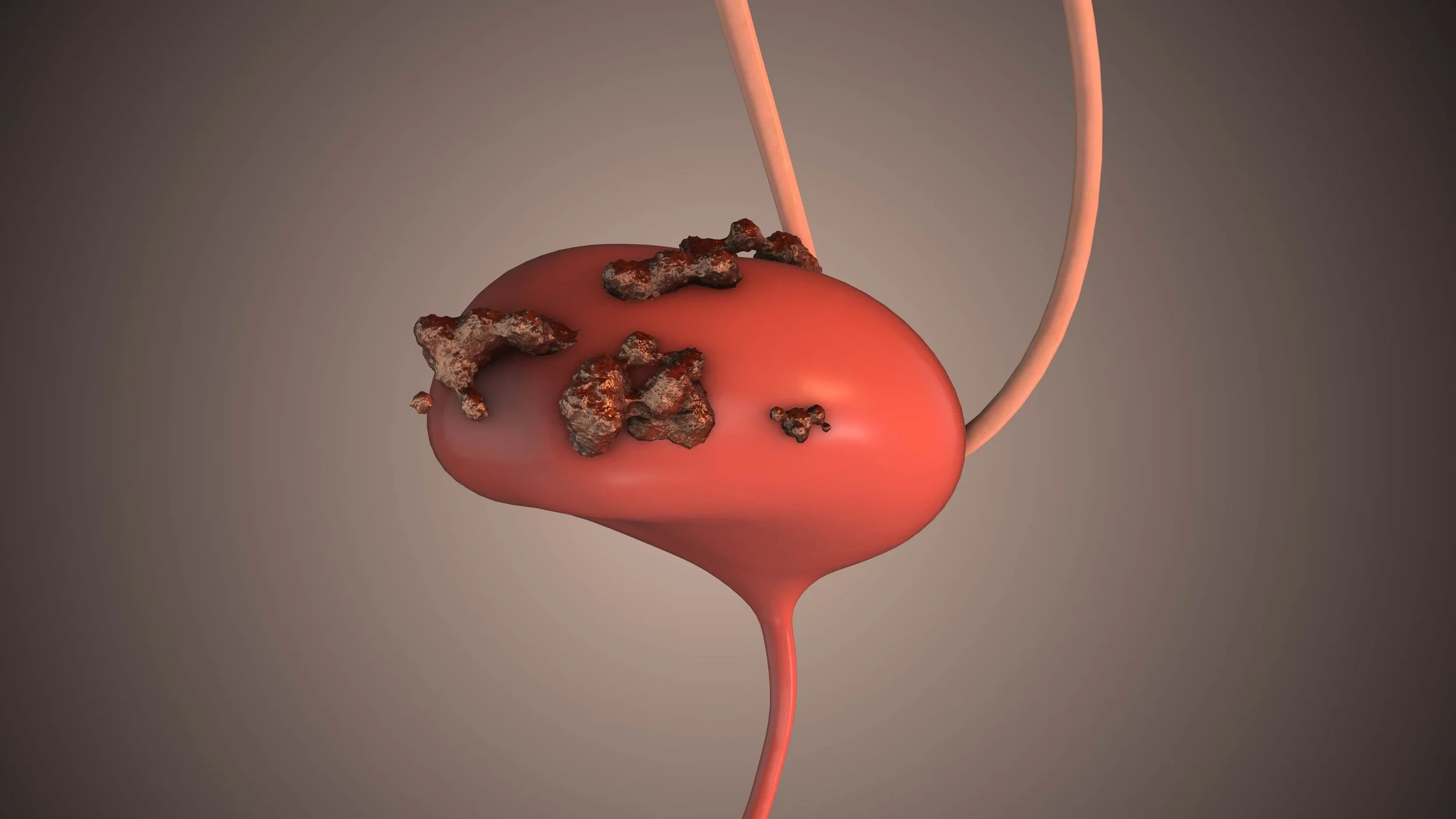
Bladder Cancer Surgery: An Overview of Modern Surgical Management
An overview of modern bladder cancer surgery, from transurethral procedures to cystectomy, explaining when each approach is used and why decisions are staged.

Positive Margins, Rising PSA, and Salvage Treatment: What Happens Next?
Positive margins and rising PSA after prostate cancer surgery are common and often misunderstood. This article explains what they mean and how salvage treatment decisions are made.
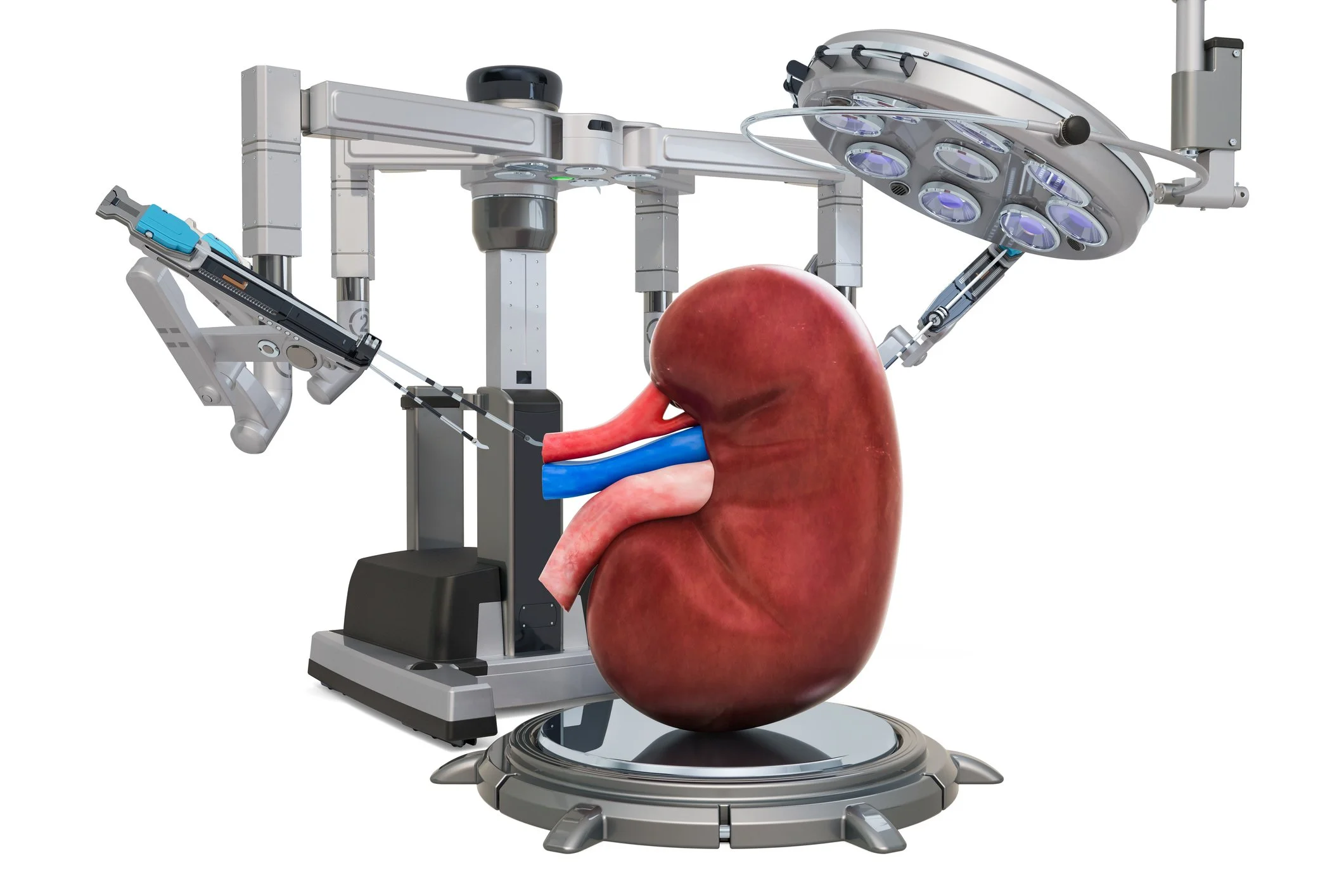
Partial vs Radical Nephrectomy: How Kidney Cancer Surgery Is Individualised
One of the most important decisions made in kidney cancer surgery is not whether to operate, but how much kidney to remove.
Patients are often told they need “kidney surgery” and understandably assume the choice is straightforward: remove the tumour, remove the kidney, move on. In reality, the decision between partial nephrectomy (removing the tumour while preserving the rest of the kidney) and radical nephrectomy (removing the entire kidney) is one of the most nuanced judgement calls in urologic oncology.
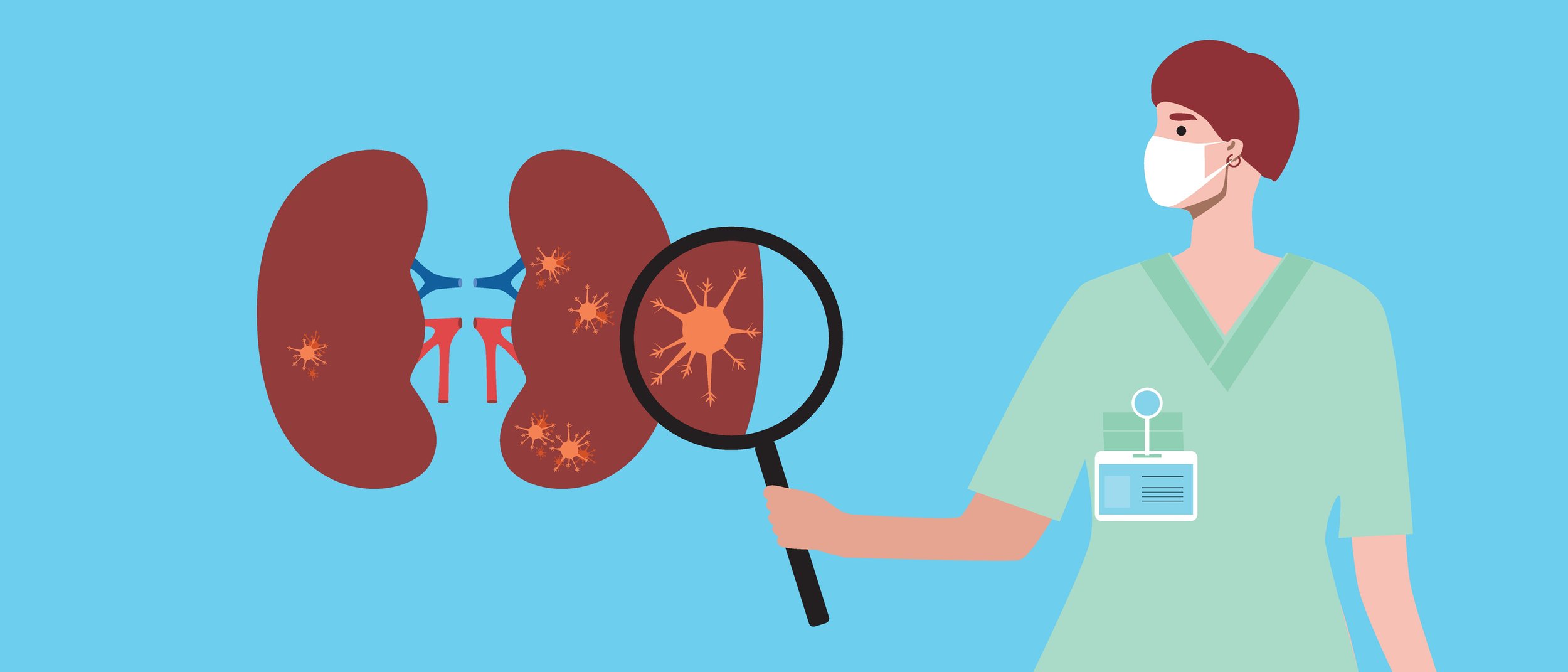
When Is Surgery Recommended for Kidney Cancer?
Not all kidney cancers require immediate surgery. This article explains when surgery is recommended, when surveillance is appropriate, and how decisions are individualised.
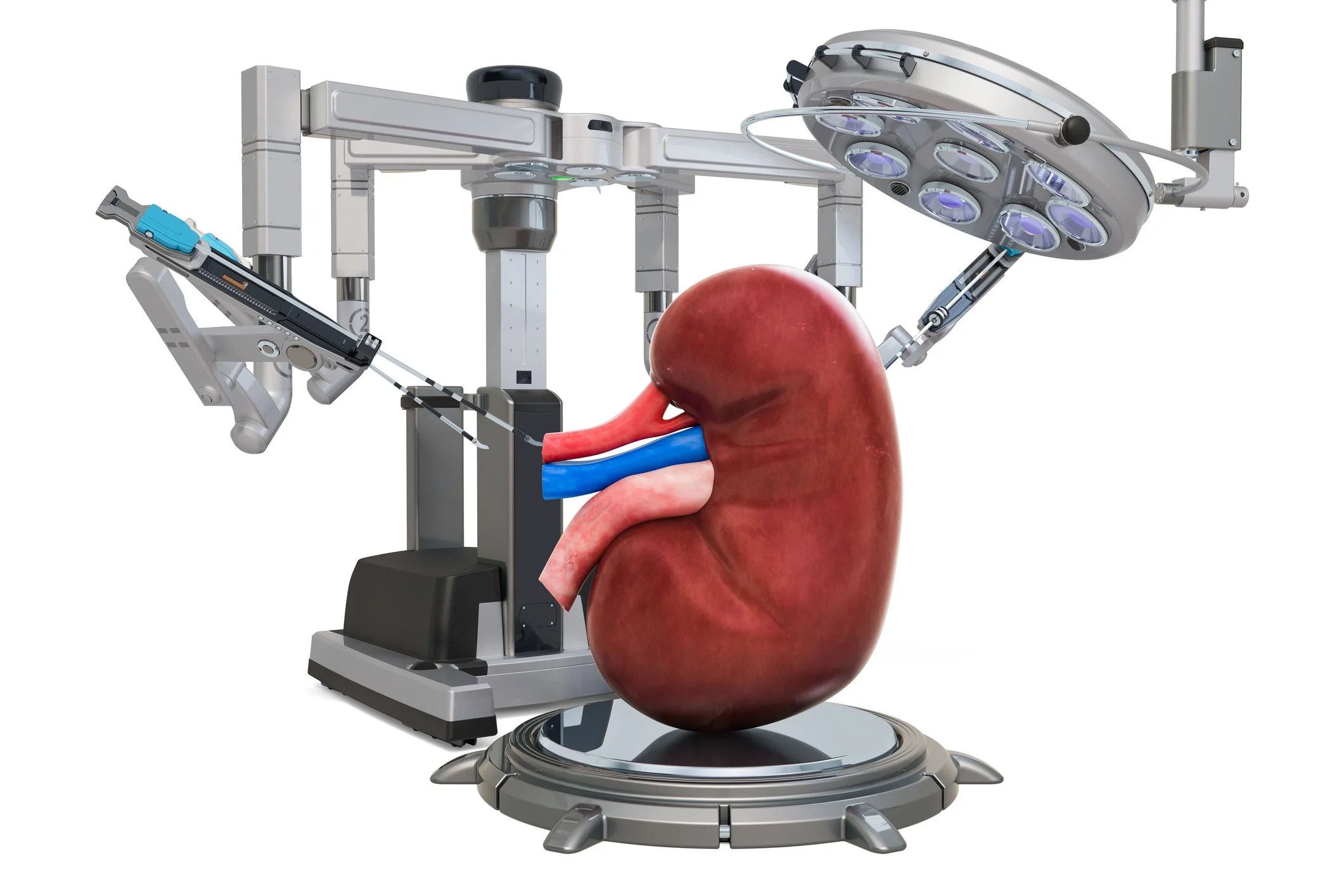
Partial vs Radical Nephrectomy: How Kidney Cancer Surgery Is Individualised
How surgeons decide between partial and radical nephrectomy in kidney cancer, balancing oncological safety with long-term kidney health.

Prostate Cancer Surgery vs Radiation: How Decisions Are Really Made
Surgery and radiation are both valid treatments for prostate cancer. Learn how decisions are made, what factors influence recommendations, and how care is individualised.
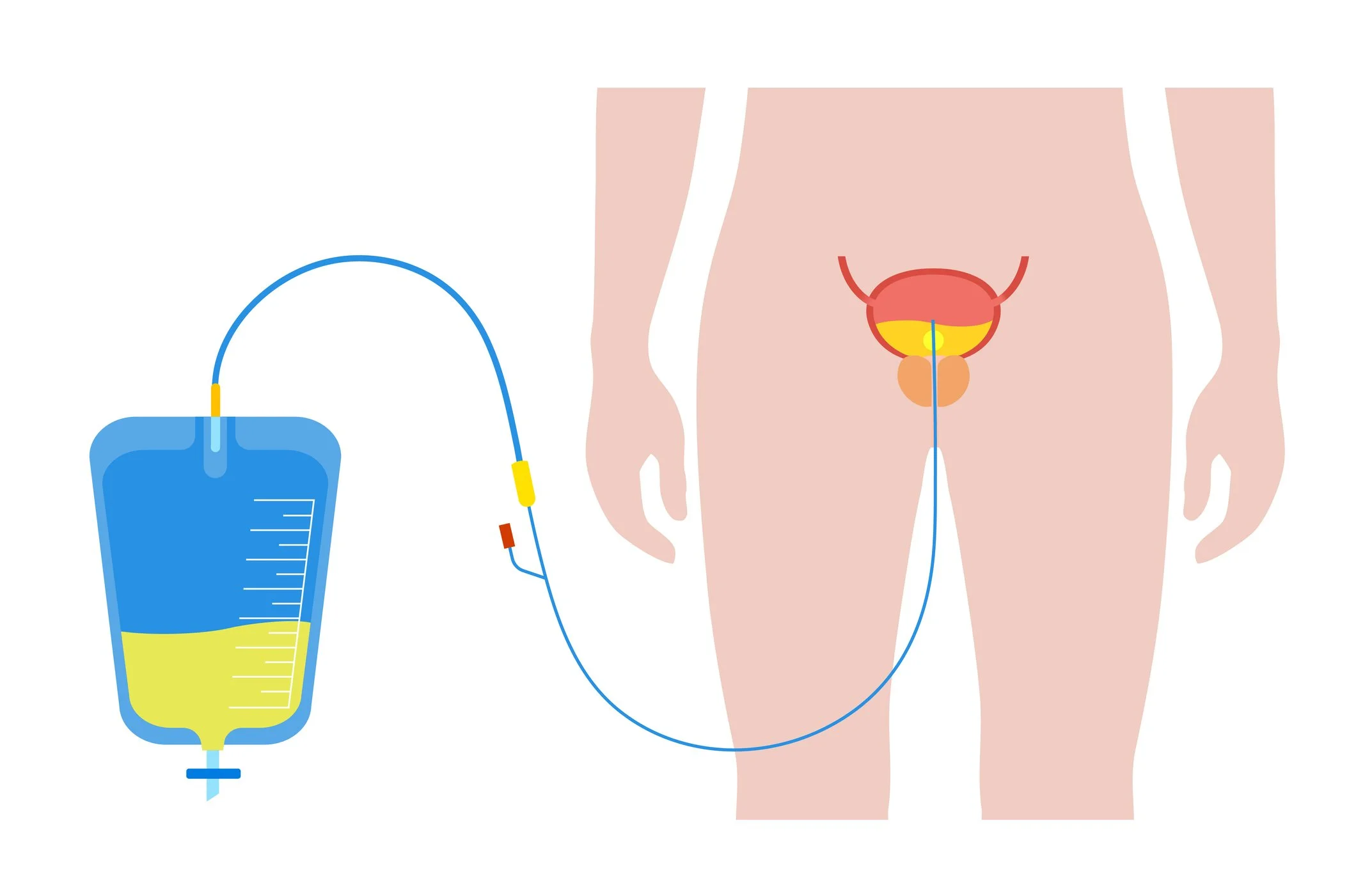
Living With a Urinary Catheter in Australia: What to Expect and How to Adapt
Practical guidance on living with a urinary catheter in Australia, including everyday care, warning signs, travel tips, and available support services.

Robotic Prostatectomy: What Actually Matters for Outcomes
Many write about robotic prostatectomy as though the robot itself is the story. Learn what actually drives outcomes — oncologic control, nerve sparing, surgeon judgement and recovery realism.

Preparation for a Prostate Biopsy.
Facing a prostate biopsy may seem overwhelming at first, but understanding the procedure, its purpose, and what to expect can make the experience easier to manage. This guide will provide a detailed explanation of the reasons for a biopsy, the different types available, what you can expect during and after the procedure, and what the results might indicate.

Understanding PSA Tests: Your Complete Guide to Prostate Health
Prostate-Specific Antigen (PSA) testing is one of the most important tools we have for monitoring prostate health and detecting potential issues early. If you've been told you need a PSA test, or you're trying to understand your results, this comprehensive guide will help you navigate everything you need to know.

Seeing a Urologist as a Gay or Bisexual Man or Person with a Prostate: What to Expect
Unsure what to expect when seeing a urologist? This article explains how urological care applies to gay and bisexual men and other people with prostates, and when specialist assessment helps.

What Happens When You See a Urologist?
Unsure what to expect at a urology appointment? This article explains why people are referred, what happens during a visit, and how care decisions are made.

UroLift for Prostate Enlargement (BPH): How It Works, Recovery, and Who It Suits
UroLift is a minimally invasive option for prostate enlargement. This guide explains how it works, recovery expectations, and when other treatments may be a better fit.

The Rezūm Procedure for an Enlarged Prostate: A Guide for Australian Patients
Rezūm is a minimally invasive option for prostate enlargement (BPH). This guide explains what it does, who it suits, recovery expectations and when other treatments may be better.

What is the da Vinci system?
For patients hearing about robotic surgery for the first time, the concept can feel both exciting and overwhelming. Fortunately, advancements in this technology, particularly with the da Vinci surgical system, have revolutionised complex procedures, especially within fields like urology.