
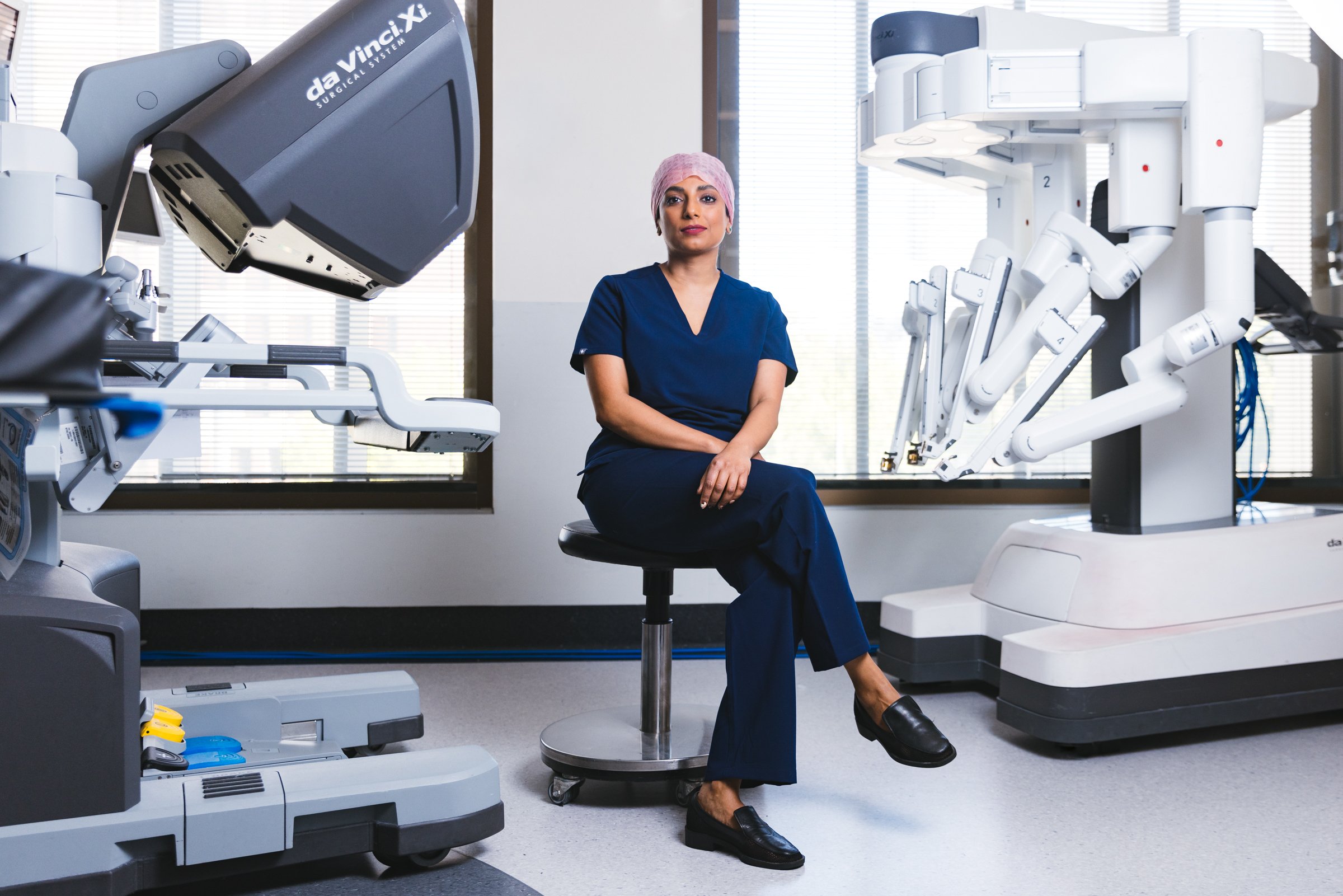
Robotic Surgery Training: What It Involves and What Patients Should Ask
When patients research robotic surgery, they focus almost entirely on the technology. The da Vinci system. The four arms. The magnified 3D view. What the robot can and can't do.
What they focus on less — but what matters more — is the surgeon operating it.
Robotic surgery is a platform. Like any surgical platform, its value depends almost entirely on the person using it: their technical training, their judgement about when to use it and when not to, and their ability to handle the unexpected when it arises mid-operation.
This article explains what serious training in robotic urologic cancer surgery actually looks like, and what questions are worth asking before you commit to a surgeon.

Nerve-Sparing Prostatectomy: When It's Safe, When It Isn't, and How the Decision Is Made
The questions most people bring into a prostate cancer surgery consultation aren't always the ones they say out loud. Will I be incontinent? Will I be able to have erections? If you try to spare the nerves, are you going to leave cancer behind?
These are the right questions. They sit at the heart of one of the most consequential decisions in prostate cancer surgery — whether to attempt nerve-sparing, to what extent, and on which side.
This article explains what nerve-sparing involves, what it can and cannot achieve, and how I approach the decision with patients when the answer isn't straightforward. Because often, it isn't.
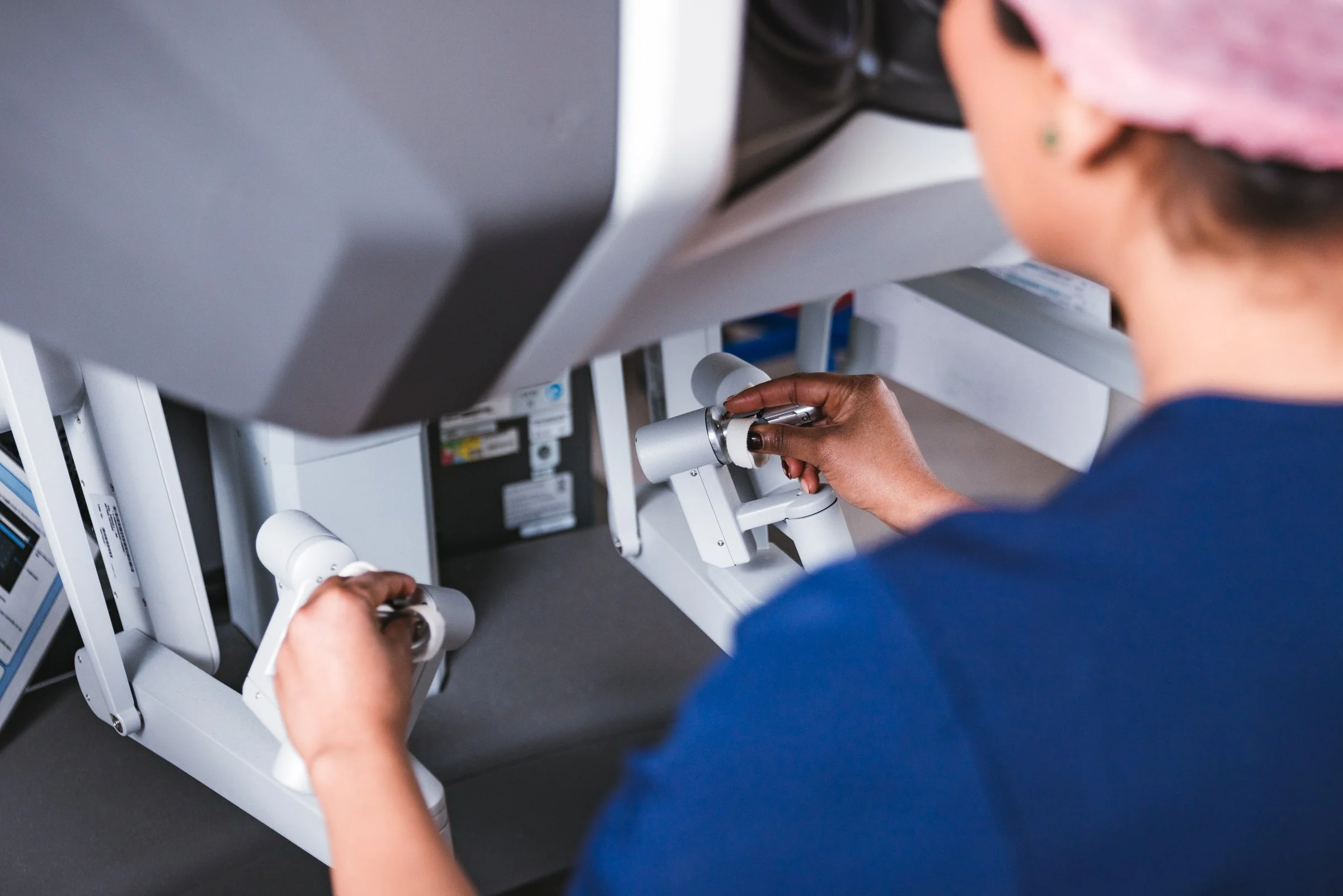
Robotic vs Open Surgery in Urologic Cancer: What Changes, and What Doesn’t
Robotic surgery can reduce blood loss and shorten hospital stay for some urologic cancer operations—but it doesn’t guarantee better cancer control or functional outcomes. Here’s how the decision is actually made, and when open surgery remains the safer choice.

What is the da Vinci system?
For patients hearing about robotic surgery for the first time, the concept can feel both exciting and overwhelming. Fortunately, advancements in this technology, particularly with the da Vinci surgical system, have revolutionised complex procedures, especially within fields like urology.