

Urinary Incontinence After Prostatectomy: What to Expect and When It Improves
If you're weighing up prostate surgery, or you've just had it, there's a good chance this is the worry sitting quietly underneath the others. Not the cancer, not the operation itself, but the question of whether you'll leak, for how long, and whether things will ever feel normal again. It's one of the most common things patients ask about in the rooms, and one of the least talked about outside them.
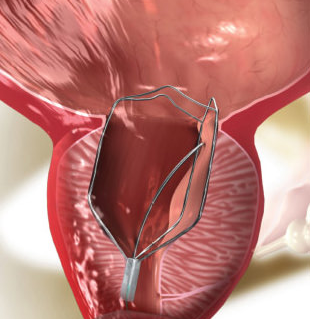
iTind for Enlarged Prostate (BPH): What to Expect, Who It Suits, and How It Compares
Thinking about iTind for BPH and wondering what it’s actually like? This practical guide walks through the 5–7 days the device is in place, common temporary symptoms, activity restrictions, what happens on removal day, and how recovery typically unfolds over the following weeks.
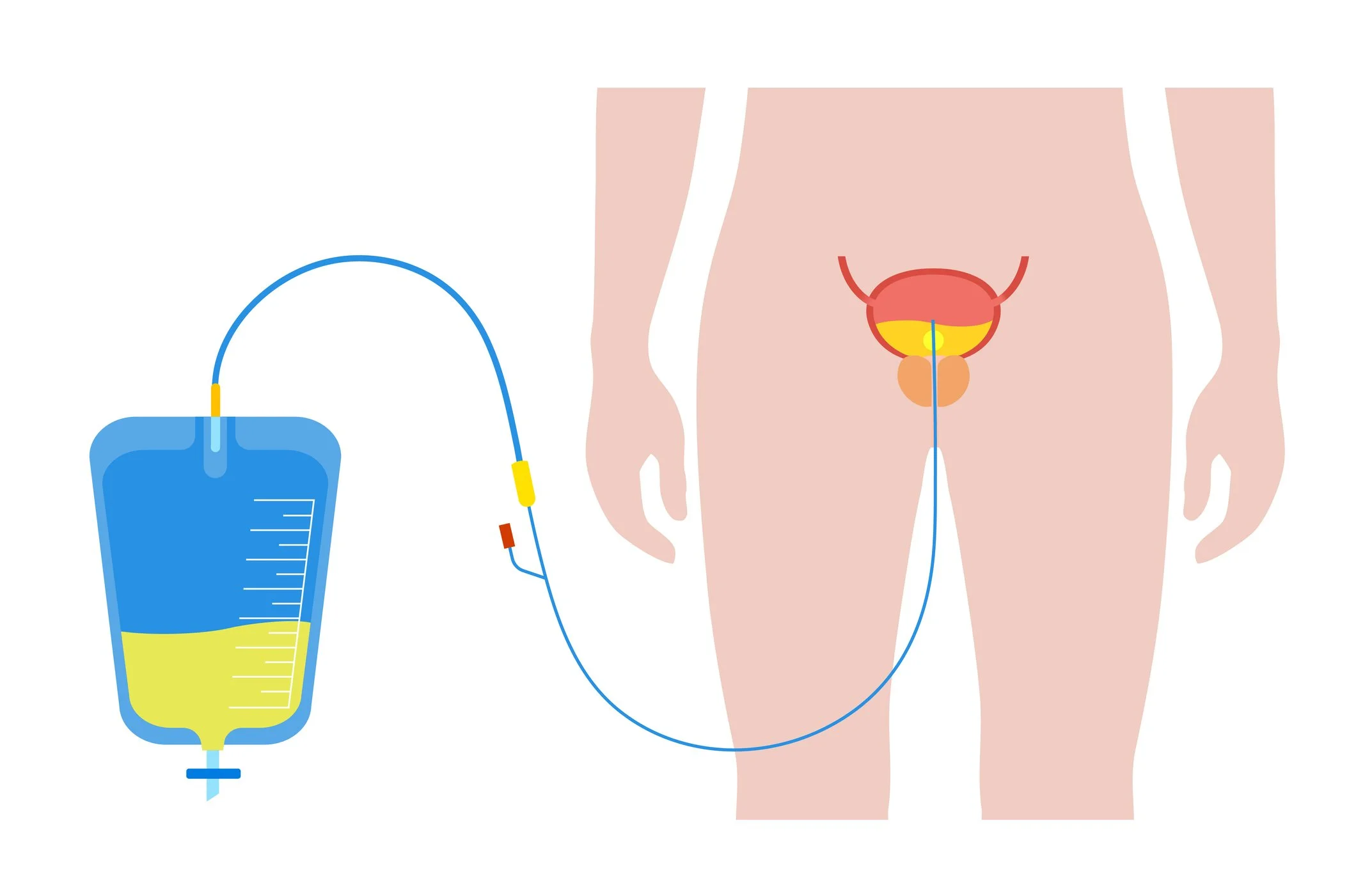
Living With a Urinary Catheter in Australia: What to Expect and How to Adapt
Practical guidance on living with a urinary catheter in Australia, including everyday care, warning signs, travel tips, and available support services.

Seeing a Urologist as a Gay or Bisexual Man or Person with a Prostate: What to Expect
Unsure what to expect when seeing a urologist? This article explains how urological care applies to gay and bisexual men and other people with prostates, and when specialist assessment helps.
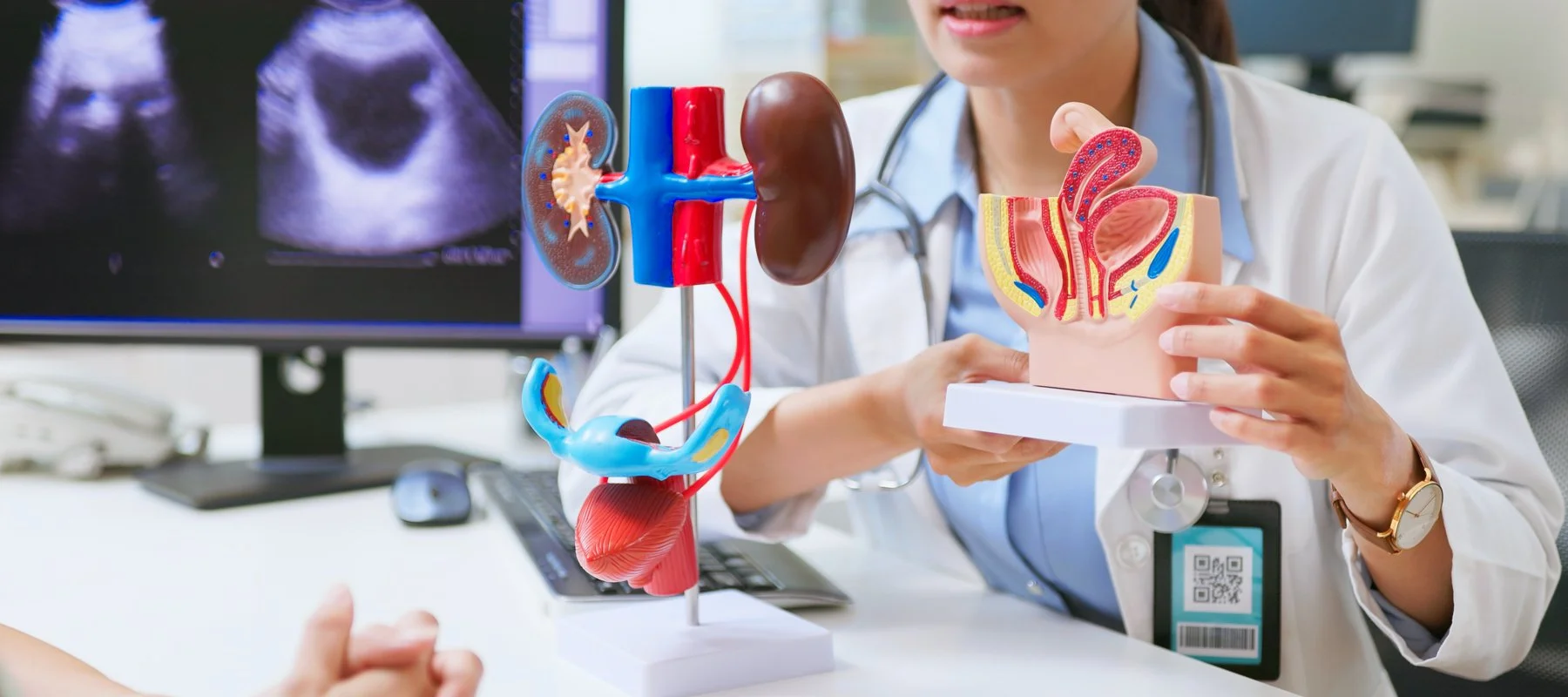
What Happens When You See a Urologist?
Unsure what to expect at a urology appointment? This article explains why people are referred, what happens during a visit, and how care decisions are made.

UroLift for Prostate Enlargement (BPH): How It Works, Recovery, and Who It Suits
UroLift is a minimally invasive option for prostate enlargement. This guide explains how it works, recovery expectations, and when other treatments may be a better fit.

The Rezūm Procedure for an Enlarged Prostate: A Guide for Australian Patients
Rezūm is a minimally invasive option for prostate enlargement (BPH). This guide explains what it does, who it suits, recovery expectations and when other treatments may be better.

Enlarged Prostate (BPH): Symptoms & Treatment Options
BPH is a manageable condition with various treatment options available. By understanding symptoms and available treatments, Australian men can approach their health proactively and seek timely care.

Kidney Stones: Types, Symptoms and Causes
If you've had sudden pain in your side or back, blood in your urine, or you've been told a scan picked up a stone, it helps to understand what kidney stones actually are before thinking about treatment. This page covers how stones form, the different types, the symptoms to watch for, and what genuinely helps prevent them.

Why Do You Need to See a Urologist?
Visiting a healthcare specialist can sometimes be an intimidating experience, particularly when it involves sensitive aspects of one's health. Among these specialists, urologists play a significant role in diagnosing and treating issues related to the urinary tract and male reproductive organs. Understanding what a urologist does and when to seek their expertise can empower you to make informed decisions about your health and well-being.