
Robotic Urological Cancer Surgery - Melbourne
Robotic surgery has transformed the way we manage urologic cancers. With enhanced precision, reduced blood loss, and faster recovery, robotic technology allows surgeons to treat complex urological cancers with exceptional accuracy and control.
Dr Deanne Soares is a Melbourne urologist specialising in robotic prostate, kidney and bladder cancer surgery. Her practice is centred on delivering technically advanced, minimally invasive cancer care tailored to each patient’s diagnosis, values and recovery goals.
Why Robotic Surgery for Cancer?
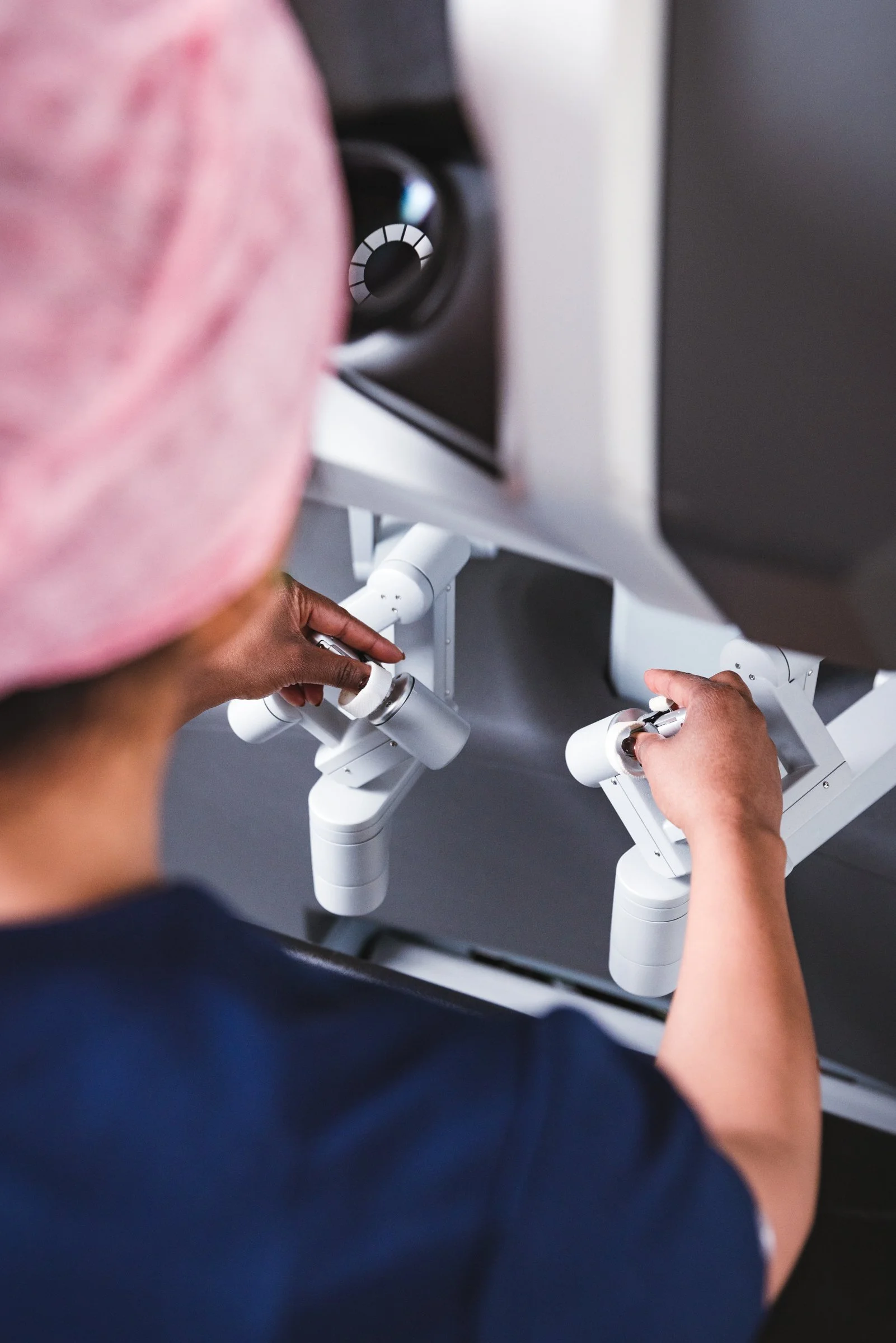
Robotic platforms such as the da Vinci system allow surgeons to work with magnification, tremor-filtration and wristed instruments capable of micro-precision.
For patients, this typically means:
smaller incisions
reduced postoperative pain
shorter hospital stays
lower complication rates
faster return to daily activities
In cancer surgery, these advantages translate to excellent oncological control with the potential to preserve vital structures such as nerves and kidneys where appropriate.
Cancers Treated with Robotic Surgery
Prostate Cancer
Robotic radical prostatectomy is now the most common surgical approach to localised prostate cancer. Dr Deanne utilises refined nerve-sparing techniques to maximise cancer clearance while preserving urinary continence and erectile function whenever possible.
Indications include:
localised prostate cancer
unfavourable intermediate-risk disease
selected cases of high-risk prostate cancer
Goals: precise removal of the prostate, negative surgical margins, preservation of function.
Kidney Cancer
Robotic surgery allows for both kidney-sparing and complete kidney removal depending on tumour characteristics.
Procedures include:
Robotic partial nephrectomy – removal of the tumour while preserving the kidney
Robotic total nephrectomy – removal of the kidney for larger or complex cancers
Robotic nephroureterectomy – treatment for upper tract urothelial carcinoma
Dr Deanne has subspecialty training in complex renal surgery.
Bladder Cancer
For selected patients, robotic radical cystectomy offers a minimally invasive approach to bladder cancer requiring bladder removal.
Surgical options include:
cystectomy with ileal conduit
continent urinary diversion (case-dependent)
The robotic platform assists with deep pelvic dissection and reconstruction, reducing blood loss and postoperative morbidity.
Robotic Surgery for Reconstructive Urology
In addition to cancer surgery, robotic techniques can assist in reconstructive procedures, including:
Robotic pyeloplasty for pelvi-ureteric junction obstruction
Robotic ureteric reimplantation for complex ureteric strictures
These procedures benefit significantly from the precision and visual clarity of robotic surgery, improving surgical success and long-term outcomes.
Why Choose a Subspecialist in Robotic Urologic Oncology?
Cancer surgery demands more than technical skill — it requires judgement, precision, and a clear understanding of tumour biology.
With dedicated sub-speciality training in England and extensive experience in robotic prostate, kidney and bladder surgery, Dr Deanne offers subspecialist-level care with an emphasis on safety, outcomes and long-term quality of life.
Her approach combines:
meticulous surgical technique
evidence-based decision making
clear communication with patients and their GPs
collaboration with multidisciplinary cancer teams